
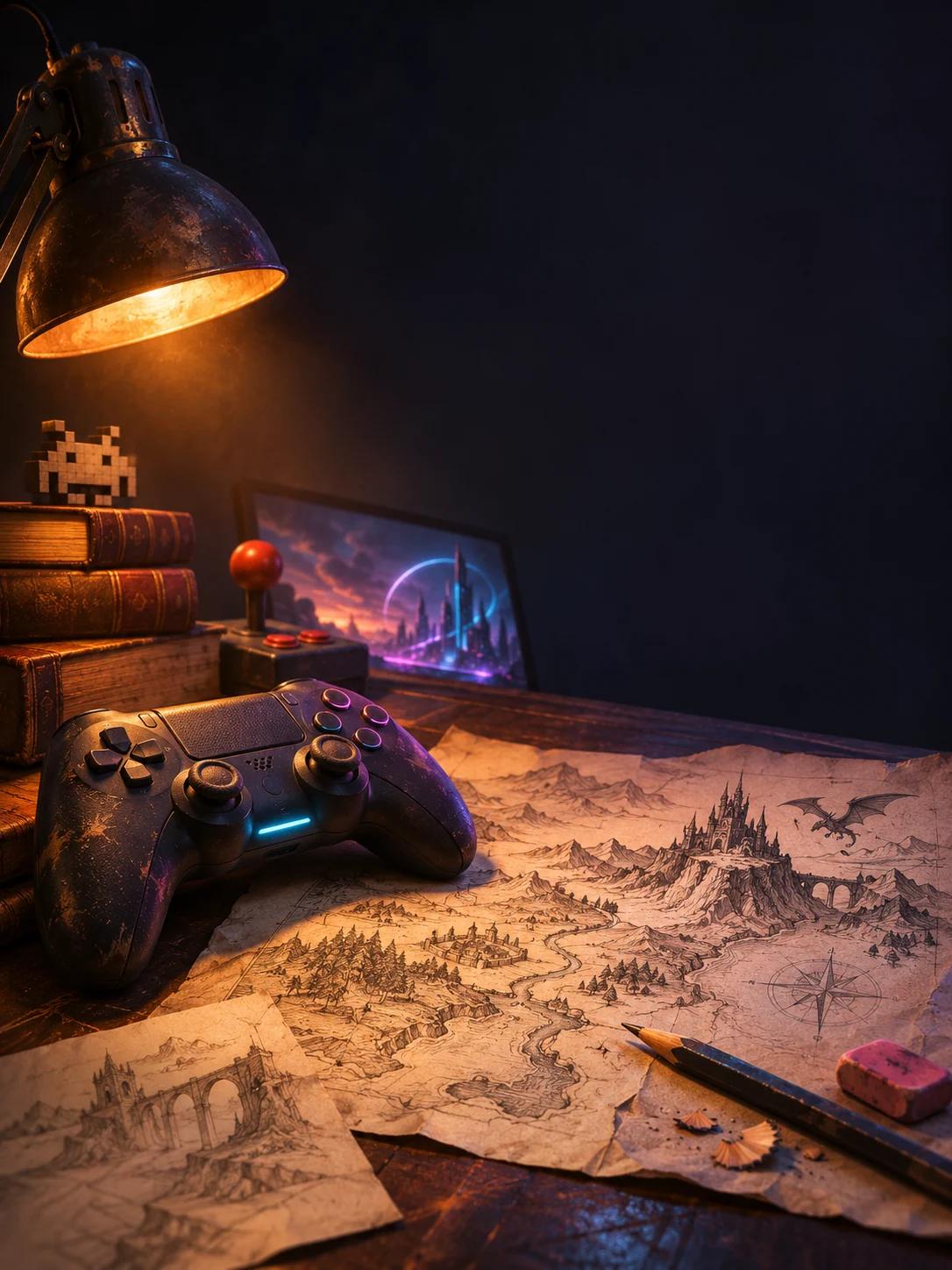
An original Giviways story
How Games Shaped Us
Pixels, worlds, and late nights that turned us into who we are
Swipe, scroll, or use the arrow keys

Where the story began
When the Screen Answered
If you grew up playing games, or found them later when you needed an escape, you know they never really stay on the screen. They slip into your moods, your friendships, your patience, and the way you face a difficult problem when real life gets loud.
A game is rarely just software. It is a timestamp of who you were when you played it: the room, the person beside you or on the other end of a headset, the level you could not beat, and the feeling of entering another world when your own felt heavy or predictable.
Before anyone spoke about gaming culture, people were already captivated by a white dot bouncing between two lines in Pong. It looks almost impossibly modest now. At the time, moving your hand and watching the screen answer felt like magic.
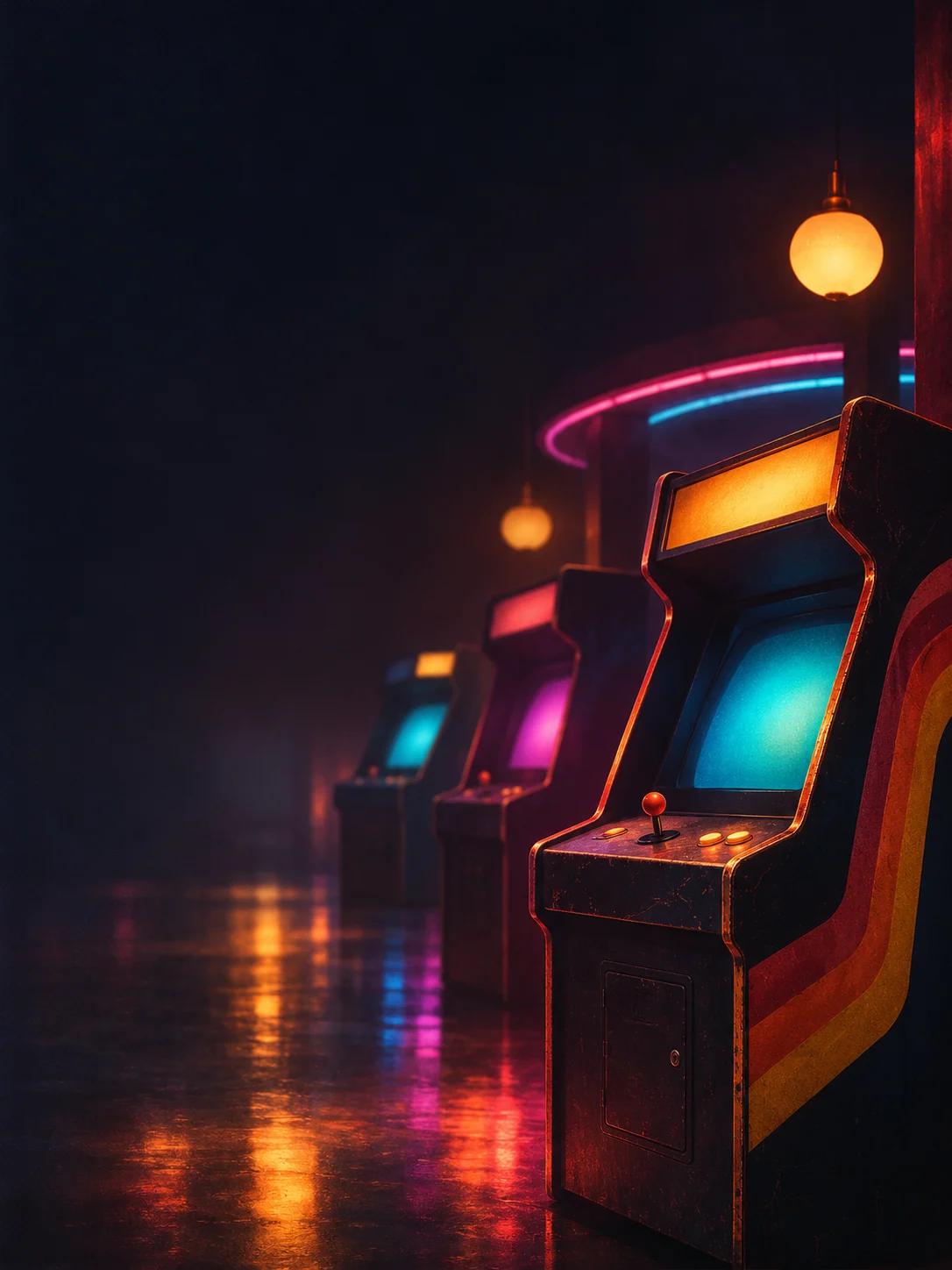
The arcade years
One More Try
Soon, arcades were humming with life. Space Invaders turned a simple march of aliens into pure adrenaline as the rhythm accelerated. Pac-Man gave those rooms color, personality, and a loop so irresistible that one more try never felt like enough.
Donkey Kong sent players climbing past barrels, Frogger tested their nerves in traffic, and Asteroids and Galaga made a glowing cabinet feel like the cockpit of a starfighter. Every machine offered a different language to learn, usually one quarter at a time.
Then Tetris proved that a game needed neither spectacle nor a sprawling story to stay in your head. Falling shapes, quick decisions, and one unforgettable melody were enough to occupy an entire household long after the screen went dark.
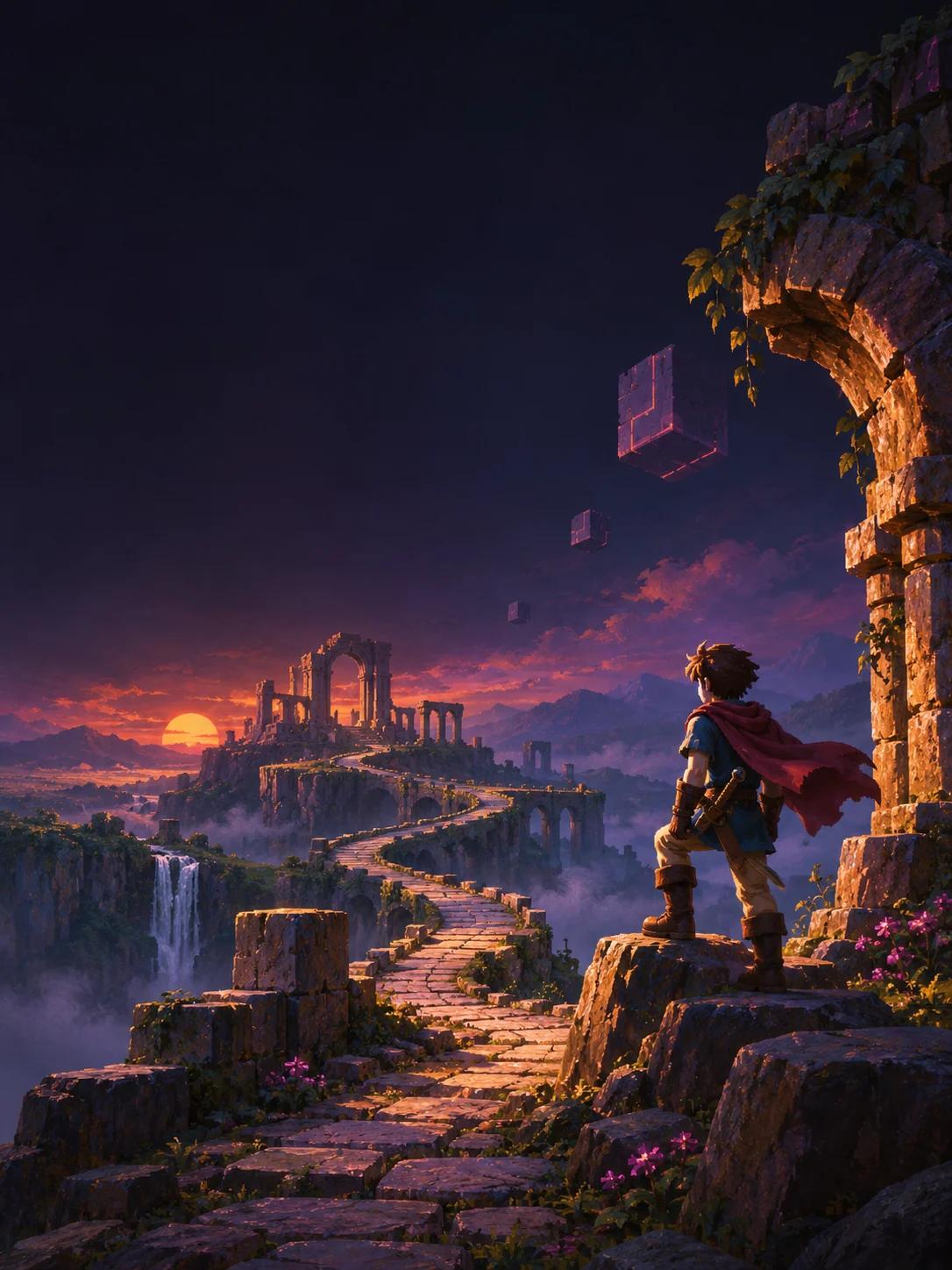
The 8-bit and 16-bit age
Worlds Worth Exploring
After the early console crash made home gaming look like a passing fad, Super Mario Bros. reminded everyone how joyful a game could feel. Its jumps, secret pipes, hidden warp zones, and music invited players to search every corner until the world felt memorized.
The Legend of Zelda changed the meaning of adventure. Instead of running toward a finish line, you received a sword, a mysterious map, and permission to get lost. Finding an entrance behind a bombed wall or burned bush felt less like completing a task and more like uncovering a genuine secret.
Mega Man taught pattern recognition through tough love. Metroid made isolation atmospheric. SimCity turned traffic, planning, and disaster recovery into play. Games were no longer only tests of reflexes; they were becoming worlds that rewarded patience, curiosity, and imagination.
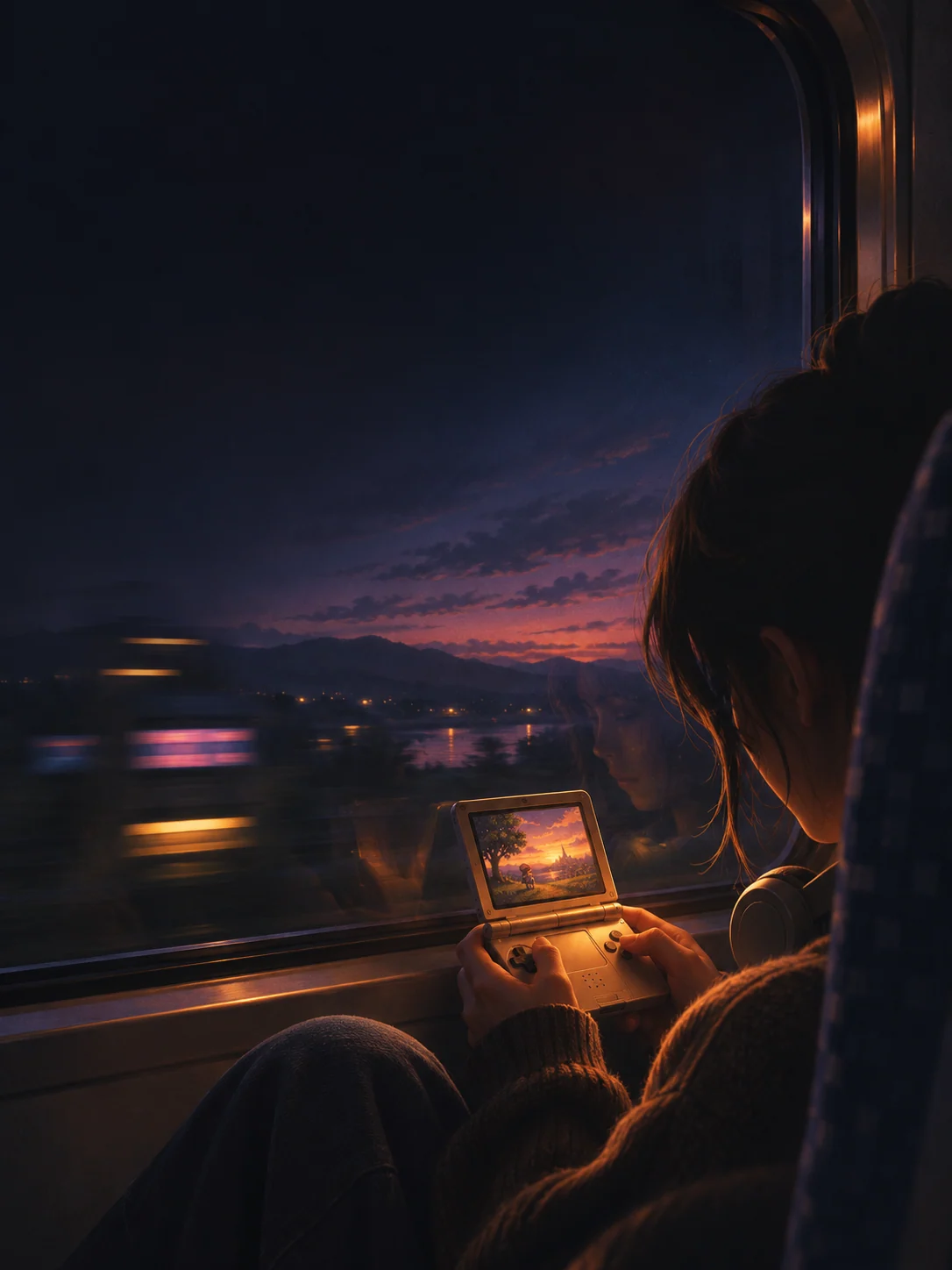
Handhelds and shared rivalries
Games Went Everywhere
When the Game Boy reached pockets everywhere, games escaped the living room. Pokémon turned playgrounds, train rides, and school buses into trading hubs where catching them all became a shared mission rather than a solitary achievement.
At the same time, the nineties made competition unforgettable. Street Fighter II started loud arguments in arcades and family rooms, then made everyone reach for another round. Reading a friend’s habits and winning with one pixel of health gave ordinary kids a taste of real competitive fire.
Mortal Kombat pushed arcade attitude and controversy into overdrive, while Mario Kart transformed couches into joyful chaos. Games had become portable, social, and personal. They traveled with us and gave every group of friends its own stories.
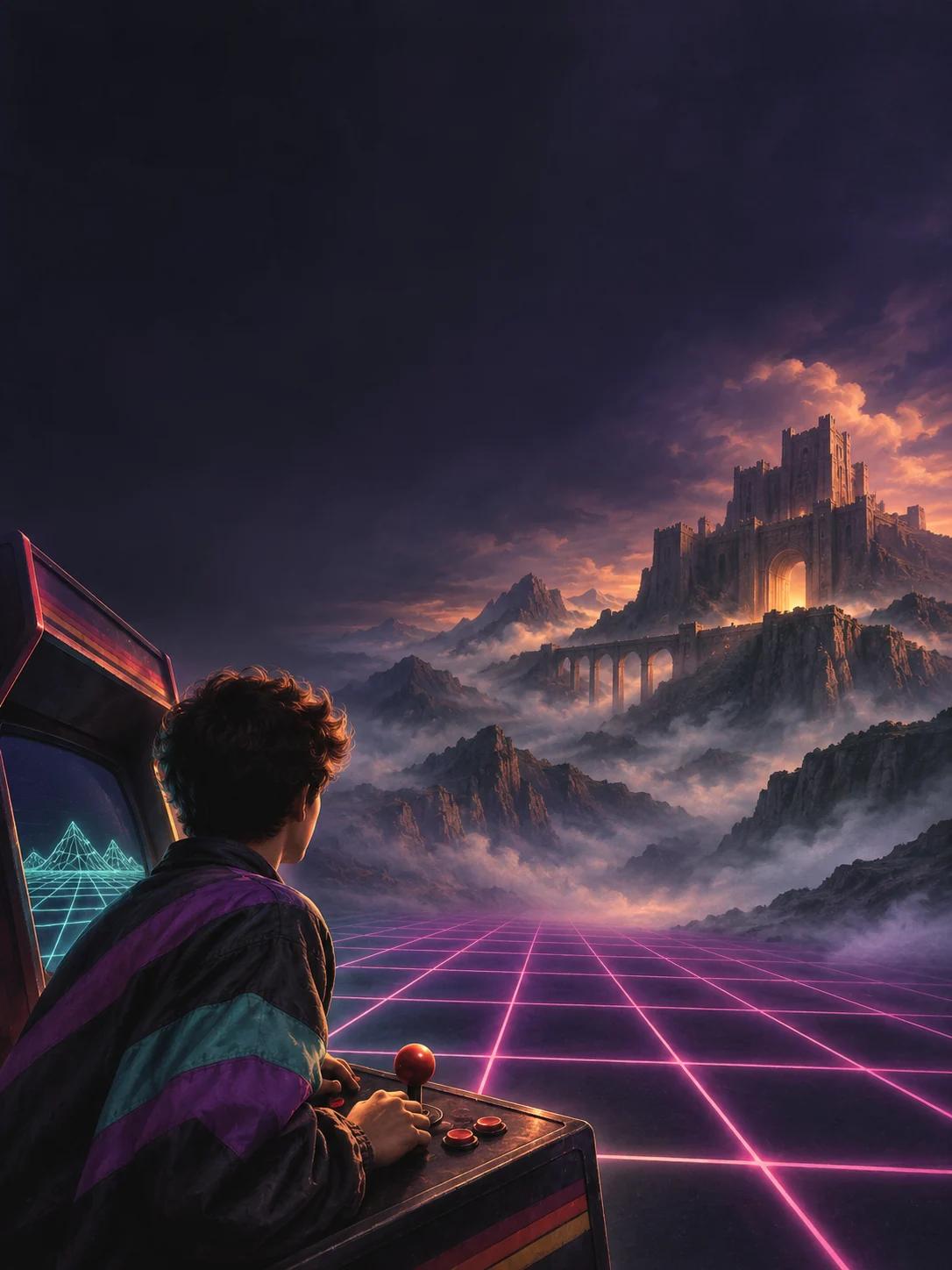
The leap into 3D
The World Opened Up
Then games stepped into darker moods, larger spaces, and a third dimension. Doom and Quake made first-person action fast and communal through local networks, mods, and player-built maps. Half-Life told a continuous story without constantly taking control away, while Metal Gear Solid made patience and stealth feel cinematic.
Super Mario 64 showed how movement itself could feel liberating in three dimensions. Ocarina of Time made crossing Hyrule Field feel epic, and Tomb Raider gave exploration a dramatic new scale filled with ruins, danger, and discovery.
Roleplaying and simulation expanded as well. Final Fantasy VII proved that game stories could break hearts. Chrono Trigger played with time and consequence, Diablo made one more dungeon irresistible, Civilization consumed evenings one turn at a time, and The Sims let players build entire lives before cheerfully disrupting them.
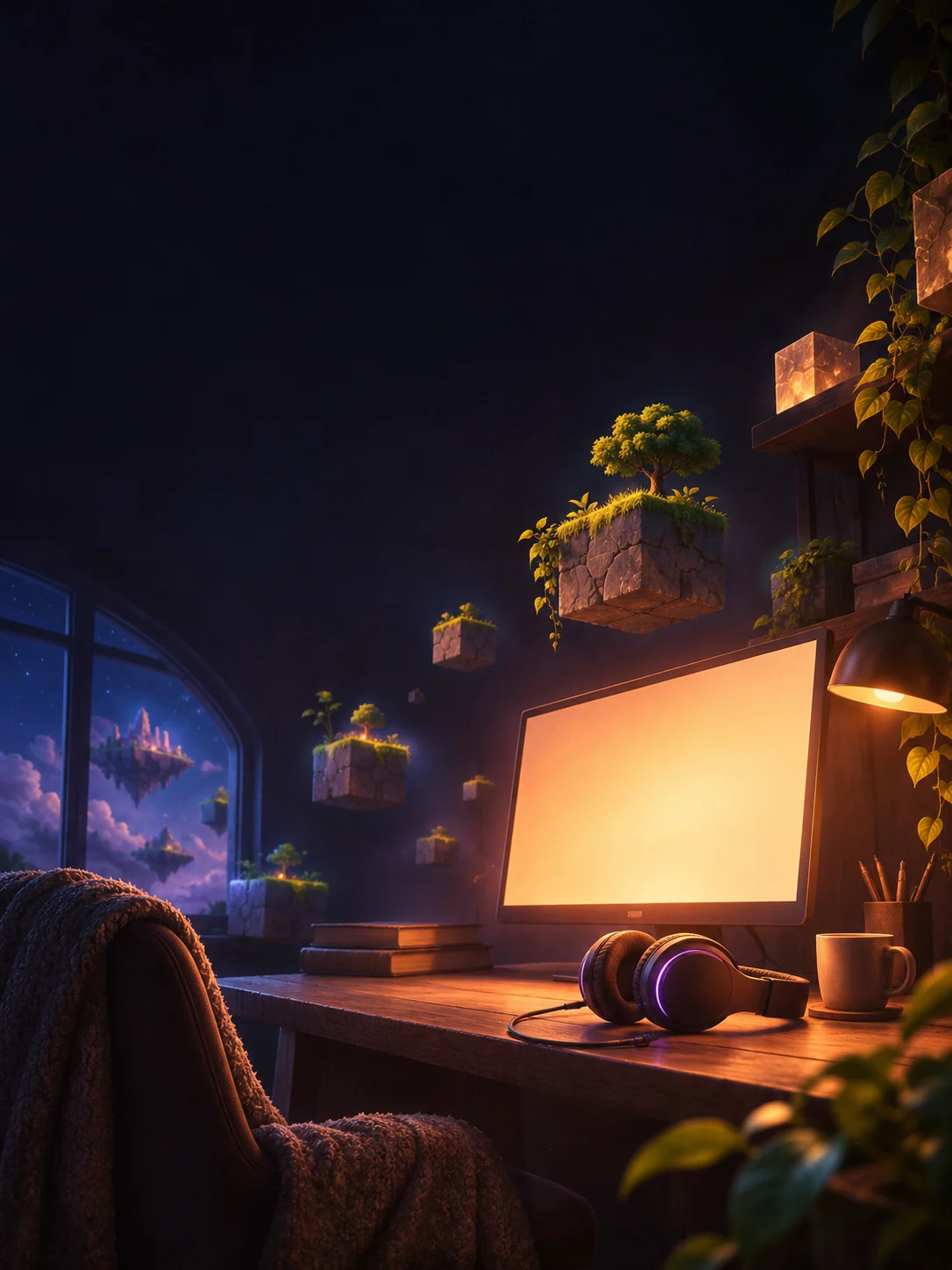
The online and sandbox era
Worlds We Lived In
By the 2000s, games stopped being places we merely visited. They became places where we spent time, argued, laughed, and grew up. Grand Theft Auto III opened a living city, Halo filled couches and lobbies with friendly rivalry, and World of Warcraft turned strangers across countries into guildmates who stayed up far too late together.
Minecraft handed players a block-filled world without a required script. Children and adults built castles, redstone machines, survival bases, and entire online communities. The audience was no longer only consuming a designed world; it was helping create one.
Counter-Strike, League of Legends, and Rocket League turned communication and split-second teamwork into daily rituals and spectator events. BioShock, The Witcher 3, Red Dead Redemption 2, Dark Souls, and Elden Ring showed how many different forms challenge, atmosphere, and consequence could take.
What the hours gave us
What Games Taught Us
If you are honest about the hours spent with a controller, keyboard, or phone, you did not walk away empty-handed. Games taught many of us how to tolerate frustration without allowing it to become surrender.
Failing against a boss, stepping away, and returning with a calmer and slightly smarter plan exercises a real skill: regrouping after a loss instead of letting it define you. Games also sharpen pattern recognition, quick thinking, and cooperation with people who do not always see a problem the same way.
Behind those lessons was an industry constantly rebuilding itself through new formats, networks, stores, creators, and communities. Small teams and solo developers grew bedroom experiments into global successes. Players shaped updates and mods, while gaming became a meeting point for art, music, comedy, storytelling, and social connection.
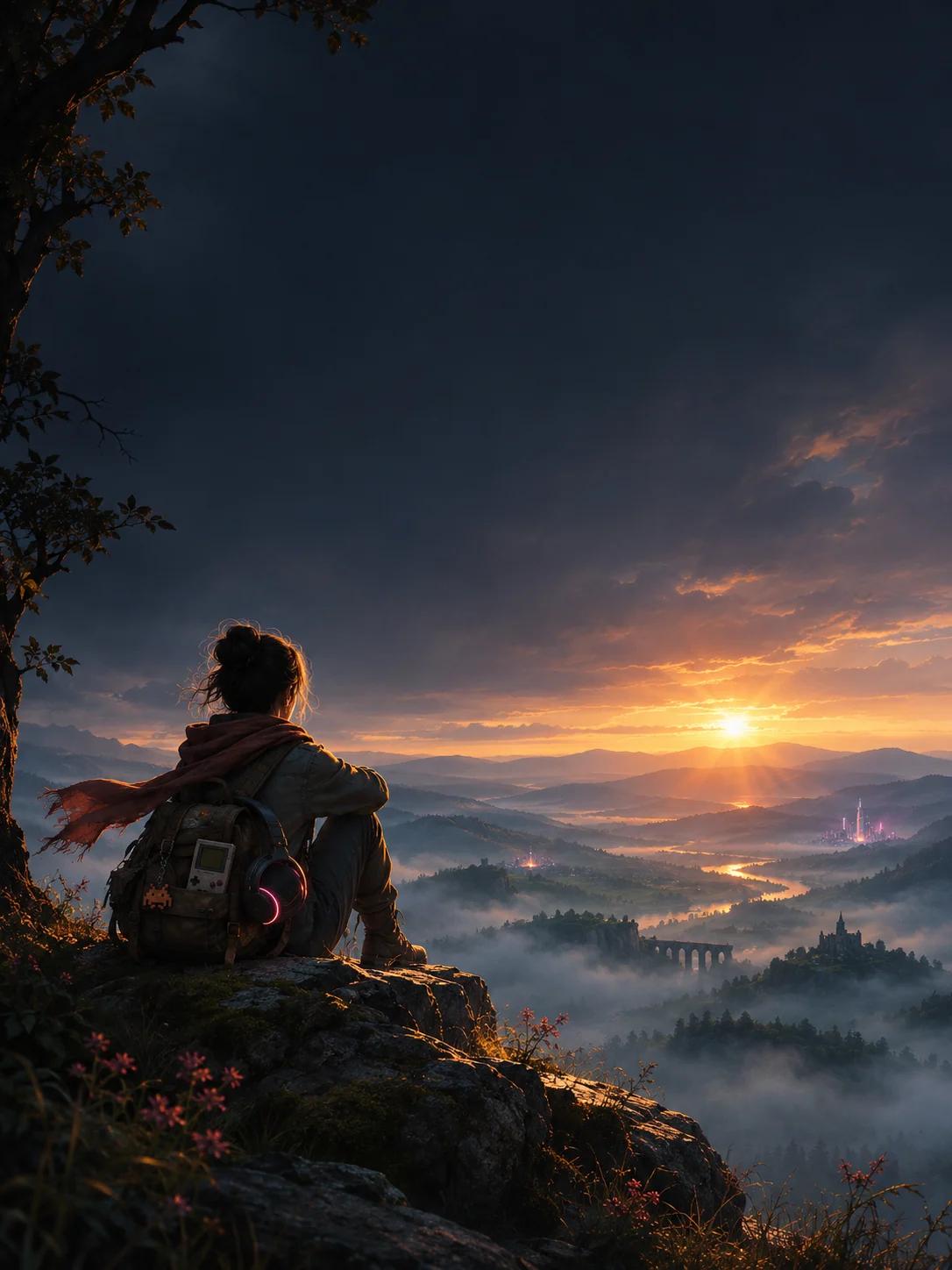
The story keeps going
What Are You Building Next?
Everyone has their games: the ones that carried them through a difficult season, made them laugh with friends until their stomach hurt, or turned three hours into what felt like twenty minutes. You do not need to play every release or chase high scores to belong to that history.
Even when life becomes busy and there is less time to play, the mindset remains. You learn the mechanics of a difficult situation, adapt when the first plan fails, and try again with a little more understanding than before.
Screens will become sharper, worlds will grow larger, and life will keep pulling us in new directions. Yet whenever a controller wakes up or a new world opens, that spark of curiosity is still waiting. Which games shaped you, and what will you build with everything they taught you?
Keep exploring
Every world starts with curiosity.
Find more stories, communities, and new experiences across Giviways.
Works referenced
Pong · Space Invaders · Pac-Man · Donkey Kong · Frogger · Asteroids · Galaga · Tetris · Super Mario Bros. · The Legend of Zelda · Mega Man · Metroid · SimCity · Pokémon · Street Fighter II · Mortal Kombat · Mario Kart · Doom · Quake · Half-Life · Metal Gear Solid · Super Mario 64 · The Legend of Zelda: Ocarina of Time · Tomb Raider · Final Fantasy VII · Chrono Trigger · Diablo · Civilization · The Sims · Grand Theft Auto III · Halo: Combat Evolved · World of Warcraft · Minecraft · Counter-Strike · League of Legends · Rocket League · BioShock · The Witcher 3 · Red Dead Redemption 2 · Dark Souls · Elden Ring
Referenced characters and works belong to their respective rights holders. They are discussed for commentary and criticism; Giviways is not affiliated with those rights holders.