
An original Giviways story
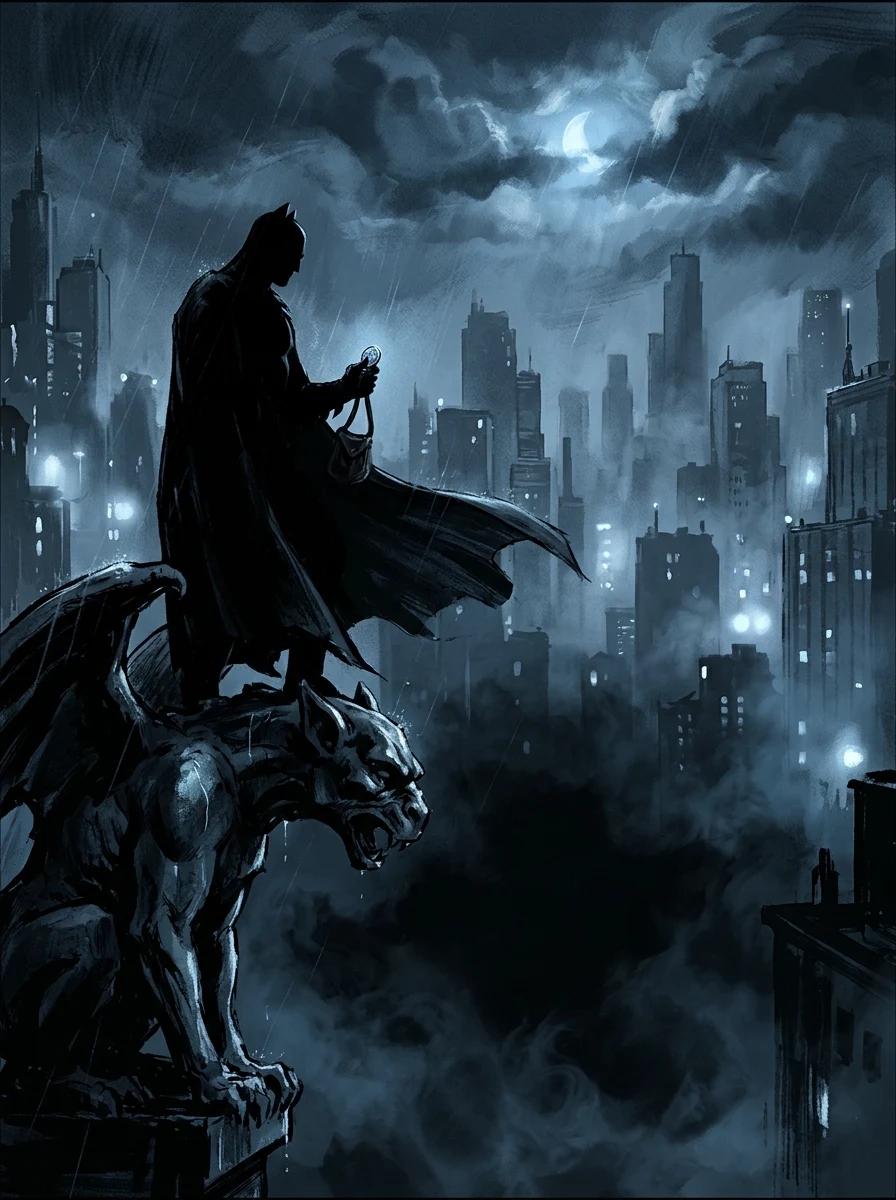
The Thin Line Between the Cape and the Cowl
Hero or a Villain: What Are You?
Swipe, scroll, or use the arrow keys
Where every story begins
Standing at the edge
In The Dark Knight, Harvey Dent delivers a line that has echoed through pop culture for nearly two decades: “You either die a hero, or you live long enough to see yourself become the villain.”
On the surface, it sounds like a rule built strictly for comic books—a world of capes, masks, and binary morality where people are neatly sorted into good or bad, and death waits around every corner.
Look a little closer at the greatest stories ever told, though, and you realize the exact opposite is true. The most unforgettable heroes are not immune to darkness. They are the ones who stand right on its edge, look down, and could so easily fall in.
That is the secret ingredient that makes a story ache with humanity. Deep down, we know we are not pure light or pure shadow. We are simply people standing at a crossroads.
Chapter one
Mirrors in the Dark
Think about the stories that stay with us after the credits roll. Almost every one relies on a mirror between the hero and the villain.
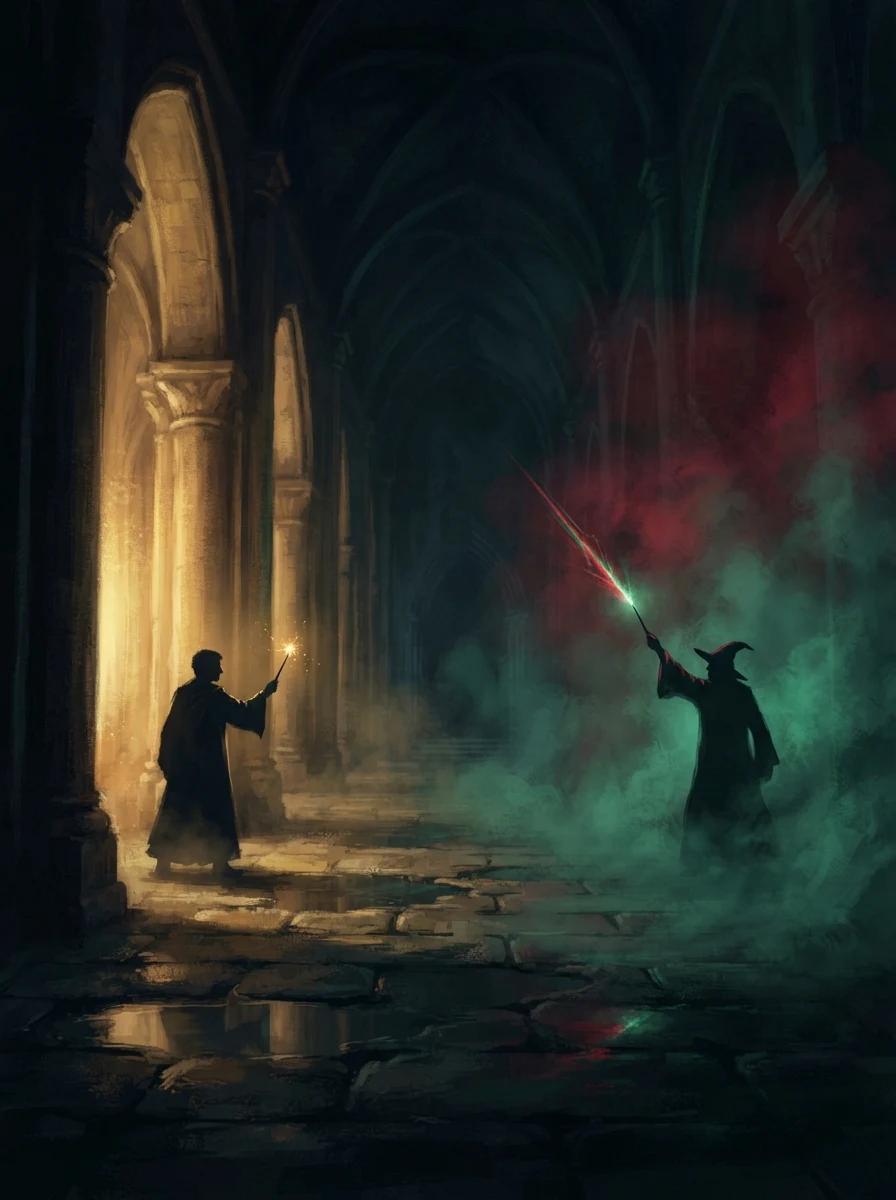
Harry Potter and Voldemort were both orphans raised in lonely, loveless environments who discovered extraordinary power. What kept Harry from becoming another Tom Riddle was not a lack of anger or trauma. It was the tether of people who loved him—and his decision to hold on to them.
Anakin Skywalker was destroyed by his fear of loss. Years later, Luke walked through the same crucible. For one breathless second, he almost slipped. Then he looked at his mechanical hand, recognized the monster he was becoming, and threw his weapon away.
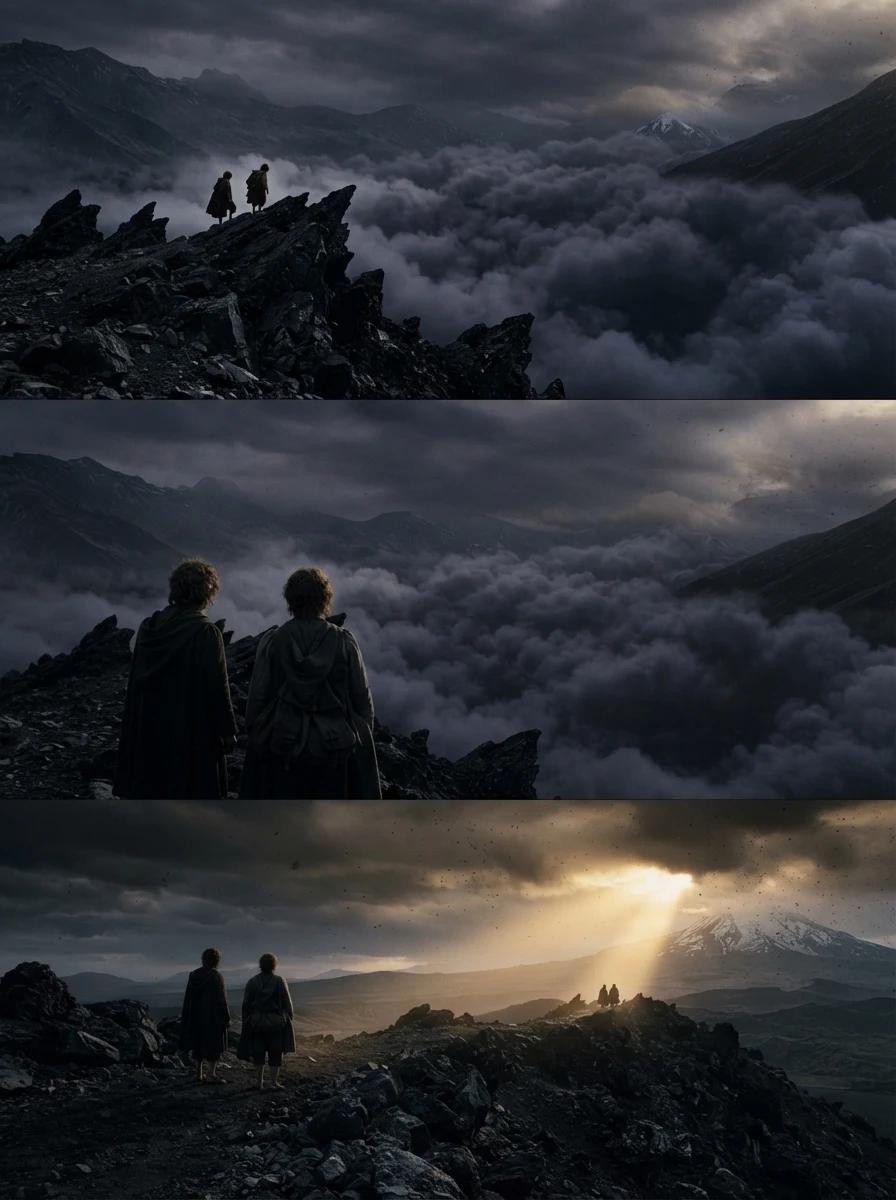
Even Frodo, carrying an impossible burden across a world of ash and despair, failed at the final edge. These moments move us because we do not merely fear the monster in the shadows. We recognize the struggle inside the hero.
Chapter two
The Anatomy of a Villain
Modern storytelling has become fascinated with villain origin stories. They pull back the curtain and show us the scars beneath the armor. They tell us that this person was not born evil; they were broken by the world.
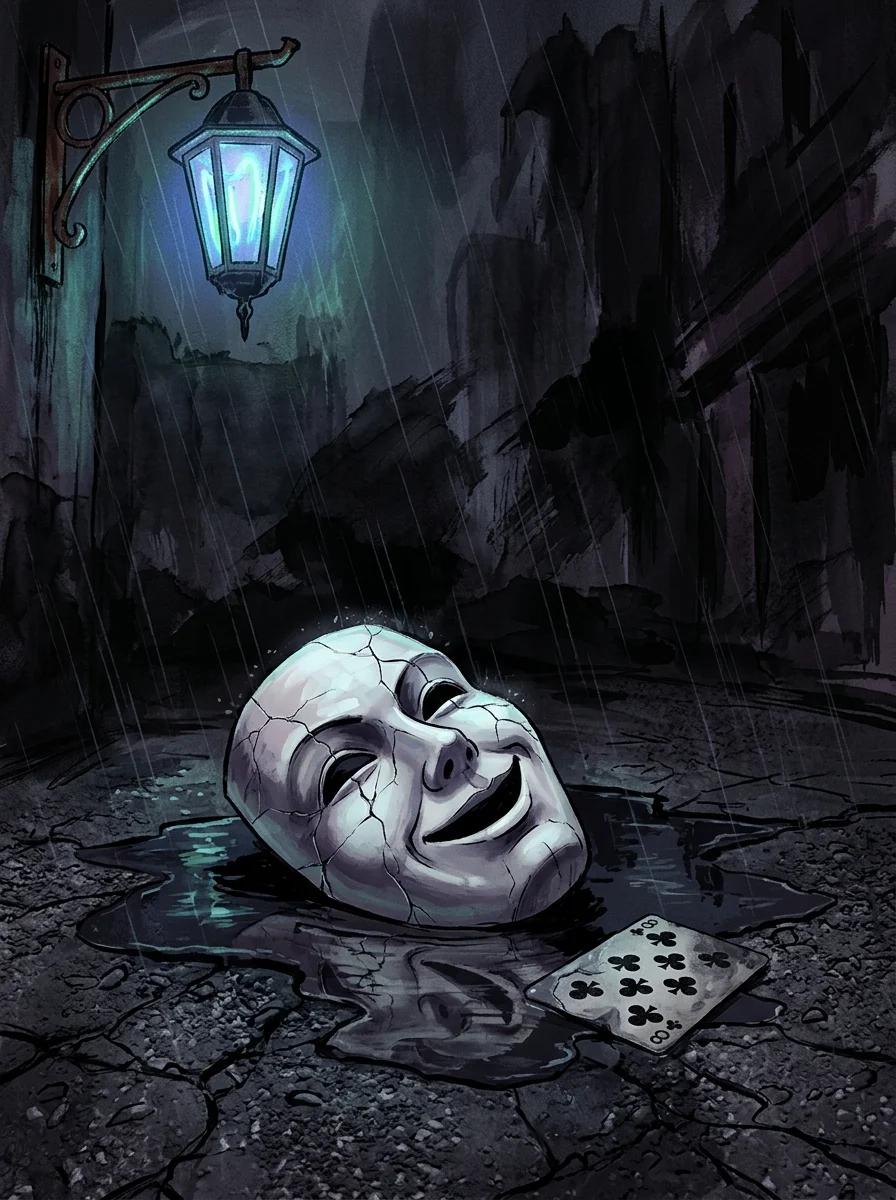
As the Joker muses in The Killing Joke, “All it takes is one bad day to reduce the sanest man alive to lunacy.” Arthur Fleck was mocked and abandoned. Harley Quinn was manipulated by someone she trusted. Erik Killmonger grew up in the wake of injustice.
When we watch their histories, part of us whispers: I understand. If I had lived through that storm, perhaps I would have broken too.
Pain is universal. We have all been betrayed, overlooked, humiliated, or hurt. That brings us to the question that defines our lives: if both the hero and the villain bleed, what actually separates them?
Chapter three
The Fraction of a Moment
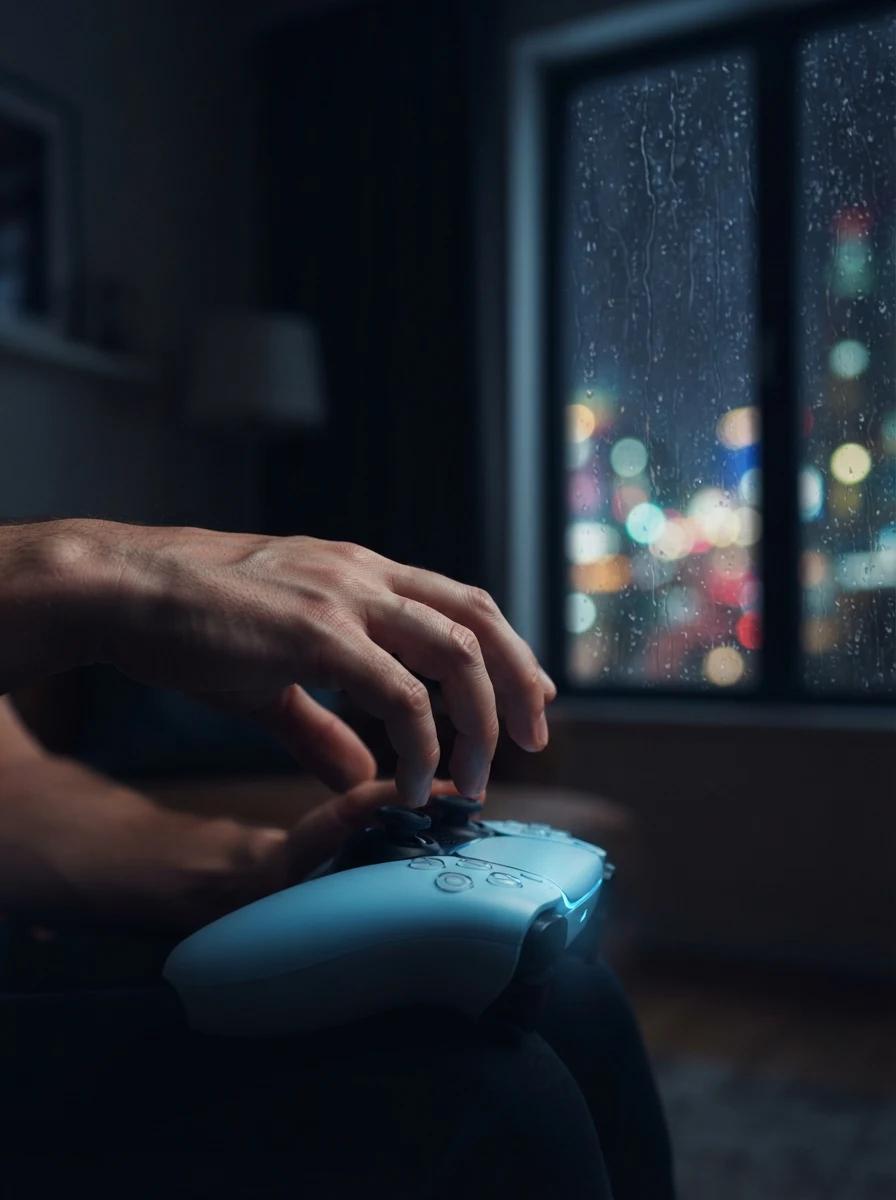
The difference is not the absence of pain. It is what happens in the quiet breath after the pain hits—when the adrenaline fades and a choice sits silently in front of us.
Sometimes the line between hero and villain is decided in a fraction of a second. It is a sentence spoken out of spite or swallowed out of grace. It is choosing to pass your hurt to the next person, or choosing to let the cycle stop with you.
We all carry excuses in our back pockets. Being a hero does not mean you lack a reason to be angry. It means you refuse to let your anger write your story.
Chapter four
Consequence and the Real World
It is fascinating how clearly we understand this when the stakes are removed. Millions of people enter open-world games and do chaotic things—stealing, betraying allies, or burning digital cities to the ground.
Pressing a button to create mayhem on a screen does not make someone evil. Nobody actually bleeds. Nobody carries that pain home.
Real morality is measured by consequence: the tangible weight our actions place on another person’s shoulders. In the real world there is no reload button. A cruel word can leave a bruise that does not disappear when the console turns off.
Chapter five
The Choice We Make Every Day
We do not live in Gotham City, and none of us are carrying a glowing ring toward a volcano. Most of us will never be asked to save the world.
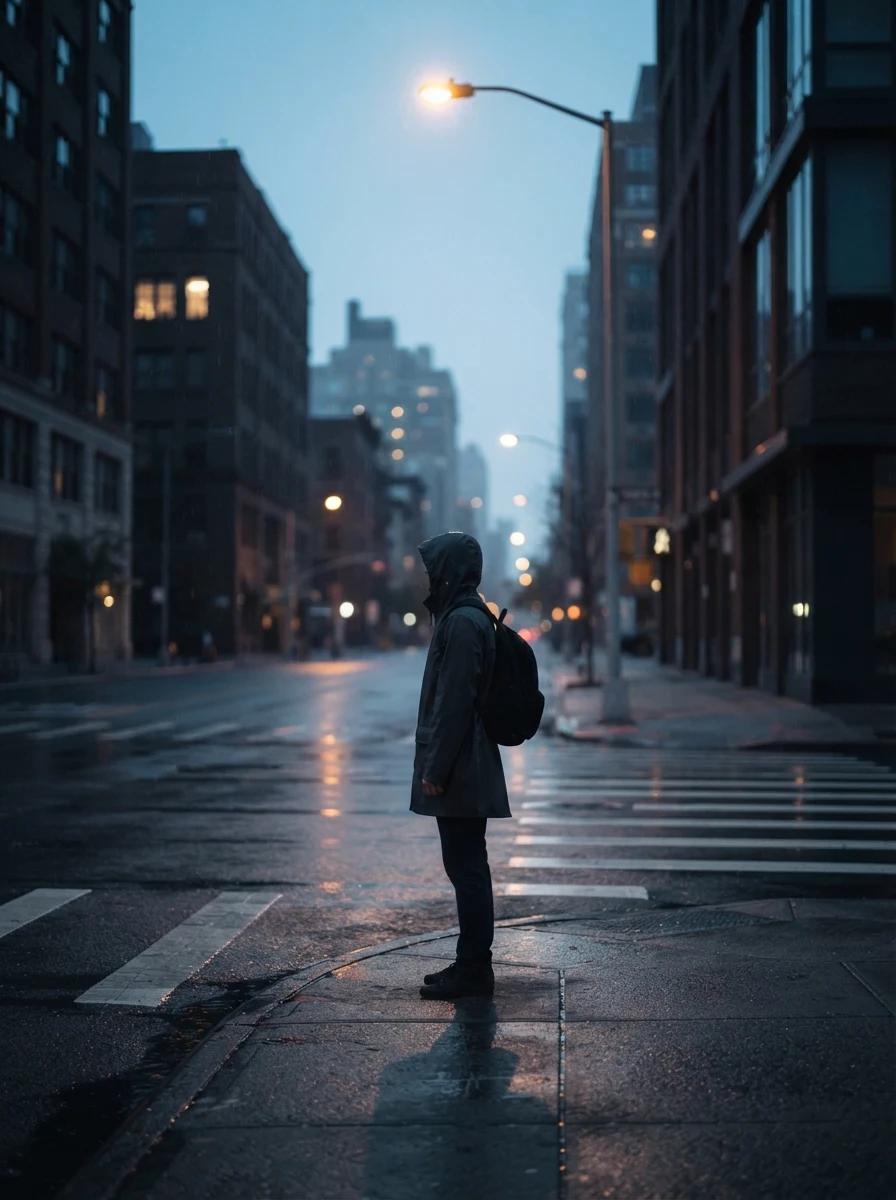
Yet every day we enter our own quiet origin stories. Someone cuts us off, breaks our trust, or leaves us feeling small, and suddenly we are standing where Luke stood in the Emperor’s throne room or where Frodo stood at the edge of the fire.
You do not need a cape to be a hero, and you do not need a tragic monologue to become a villain. You need only a bad day and a choice.
Our lives are defined by the razor-thin moment when we are hurt, tired, and justified in our anger—and choose to be gentle anyway.
Chapter six
Holding Onto the Light
When the world feels impossible to carry, it helps to remember why we keep choosing the harder, kinder path. Samwise Gamgee’s words to Frodo in The Two Towers capture that truth when everything seems lost.
He reminds Frodo that the great stories are filled with darkness and danger. The people inside them have every chance to turn back, but they continue because they are holding on to something beyond the shadow.
That is the quiet secret behind every hero who refuses to fall. They do not continue because darkness is unreal or pain does not hurt. They continue because they refuse to let the shadow have the final word over the good still worth protecting.
“There’s some good in this world, and it’s worth fighting for.”
The page is still open
This Is Your Story
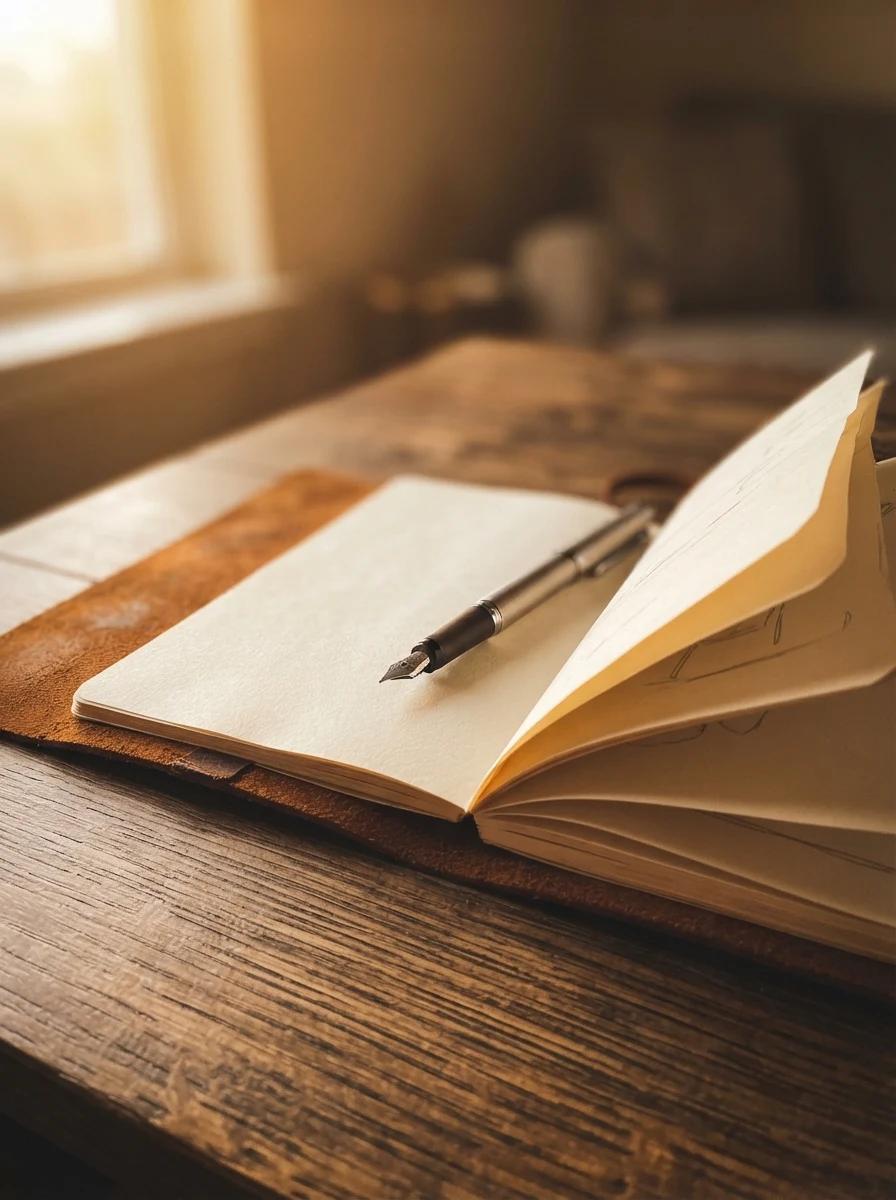
The best part is that the pen is still in your hand. No matter how many times you have stumbled, snapped, or let a bad day get the better of you, your story is not locked into a tragic ending.
Every morning, every conversation, and every quiet breath after a storm gives you a new page. You do not have to be flawless to be the hero of your own life. You only have to keep choosing light over bitterness, one small moment at a time.
The past may have shaped your chapters so far, but the person you decide to be next is entirely yours to write.
Your next chapter
Every story begins with a choice.
Discover creators, communities, and new opportunities across Giviways.
Works referenced
The Dark Knight · Harry Potter · Star Wars · The Lord of the Rings · Batman: The Killing Joke · Joker · Harley Quinn · Black Panther
Referenced characters and works belong to their respective rights holders. They are discussed for commentary and criticism; Giviways is not affiliated with those rights holders.